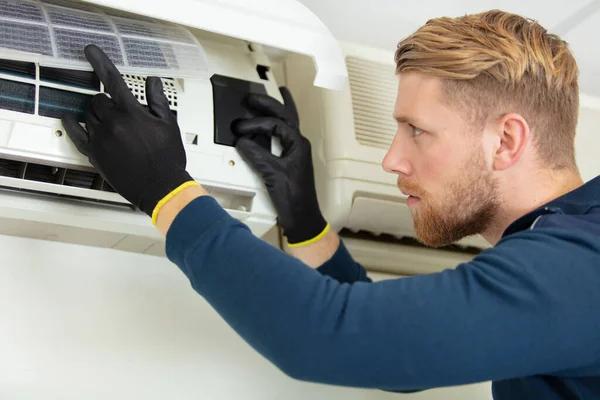
Understanding air conditioning (AC) repair cases and common HVAC fixes is essential for homeowners and property managers who want to maintain comfort and efficiency in their living or working spaces. Many AC problems stem from routine issues that, when addressed promptly, can prevent costly repairs or replacements. One frequent cause of AC malfunction is a dirty or clogged air filter. Filters trap dust, pollen, and debris but over time become blocked, restricting airflow and forcing the system to work harder. Regularly replacing or cleaning filters improves performance and extends the unit’s lifespan.
Another typical issue involves refrigerant leaks. Refrigerant is crucial for cooling as it absorbs heat from indoor air. When leaks occur due to corrosion or physical damage in coils or connections, the system loses its ability to cool effectively. Detecting these leaks early through professional inspection can save energy costs and avoid environmental harm since refrigerants often contain harmful chemicals.
Thermostat malfunctions also contribute significantly to AC problems. A faulty thermostat may cause inconsistent temperatures by failing to communicate properly with the cooling system. Sometimes recalibrating or replacing the thermostat resolves temperature control issues without needing major repairs.
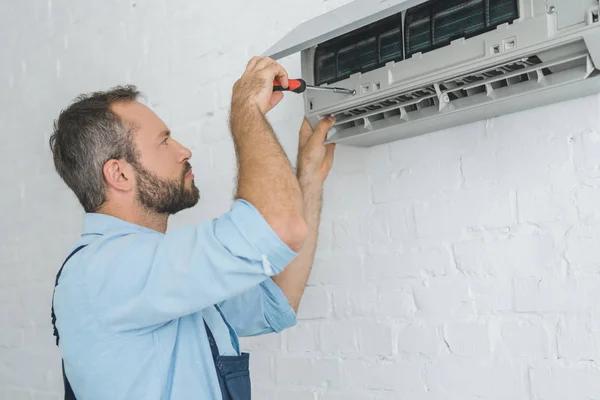
Electrical component failures are common in HVAC systems because they involve numerous wires, capacitors, contactors, and find out more relays that regulate power flow. Over time, wear and tear on these parts can lead to short circuits or breakdowns that stop the AC from functioning entirely. Routine inspections by qualified technicians help identify deteriorating electrical components before they cause complete failure.
Drainage problems frequently arise when condensate drains become clogged with algae, mold, or dirt buildup. Blocked drains prevent moisture removal during operation resulting in water leakage around the unit which might damage surrounding areas if not fixed quickly.
In some cases, compressor failures occur due to overheating caused by poor maintenance practices such as infrequent cleaning of condenser coils which reduces heat dissipation efficiency. Compressors are vital since they pressurize refrigerant gas enabling effective heat exchange; replacement tends to be expensive so preventive care is critical.
Learning from real-world repair cases reveals that many HVAC issues share common causes linked closely with maintenance habits rather than sudden breakdowns alone. Addressing minor symptoms like strange noises, reduced airflow, unusual odors during operation can indicate underlying faults requiring attention before escalating into bigger problems.
Homeowners benefit greatly by scheduling periodic professional tune-ups alongside performing simple upkeep tasks themselves such as changing filters regularly and ensuring outdoor units remain clear of debris like leaves and grass clippings.
By understanding how typical AC repair scenarios unfold along with standard fixes involved professionals gain insight into preventing future malfunctions while users develop confidence managing basic troubleshooting steps efficiently at home ensuring consistent comfort throughout seasons without unexpected interruptions caused by neglected maintenance needs within their HVAC systems.