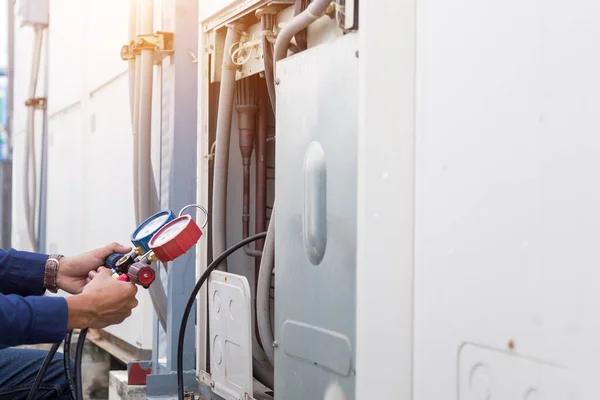
Ensuring long-term performance of HVAC systems requires a comprehensive approach that combines regular maintenance, timely repairs, and strategic upgrades. The foundation of effective HVAC solution service strategies lies in proactive maintenance plans tailored to the specific needs of each system. Routine inspections help identify potential issues before they escalate into costly breakdowns. Technicians should examine key components such as filters, coils, refrigerant levels, and electrical connections during scheduled visits. Cleaning or replacing air filters regularly improves airflow and energy efficiency while preventing strain on the system’s parts.
Another critical aspect is monitoring system performance through modern diagnostic tools that provide real-time data on temperature regulation, energy consumption, and mechanical operation. By leveraging these technologies, service providers can detect anomalies early and address inefficiencies promptly. This predictive maintenance approach minimizes downtime and extends equipment lifespan by ensuring all elements function optimally.
Timely repairs are essential to maintaining HVAC reliability over time. Ignoring minor malfunctions often leads to more severe damage requiring extensive restoration or full replacement of units. Service professionals must prioritize quick response times when addressing customer concerns to prevent discover further details here deterioration. Moreover, using high-quality replacement parts compatible with original equipment specifications preserves system integrity and avoids voiding warranties.
Energy efficiency plays a significant role in sustaining long-term HVAC performance while reducing operational costs for users. Implementing energy-saving measures such as programmable thermostats allows better control over heating and cooling cycles according to occupancy patterns. Additionally, upgrading outdated components like compressors or fans with newer models designed for improved efficiency can result in substantial savings without sacrificing comfort levels.
Proper installation is another vital factor influencing durability and effectiveness of HVAC solutions over their lifecycle. Ensuring correct sizing based on building load calculations prevents excessive wear caused by undersized units working overtime or oversized systems cycling frequently without reaching desired conditions. Professional installation also includes verifying ductwork integrity to avoid leaks that compromise airflow distribution.
Education for end-users about basic upkeep practices enhances overall system longevity as well. Simple habits like keeping vents unobstructed or scheduling filter changes promote consistent performance between professional services.
In summary, adopting a holistic strategy encompassing preventive maintenance, prompt repairs, technological integration for monitoring, energy-efficient upgrades, precise installation procedures, and user education ensures sustained functionality of HVAC systems over many years while optimizing cost-effectiveness and comfort standards simultaneously.