Maintaining both budget and schedule while undertaking an interior painting project can be a daunting task. However, with careful planning and strategic execution, it is possible to achieve a beautiful transformation without overspending or enduring unnecessary delays.
To begin with, setting a realistic budget is crucial. Start by determining the scope of your project—consider the size of the area to be painted, the type of paint required, and any additional materials like brushes or rollers. Research various brands and types of paint to find options that offer good quality at reasonable prices. Sometimes opting for mid-range paints can provide durability without breaking the bank. Additionally, keep an eye out click here for more sales or discounts at local hardware stores which can significantly reduce costs.
Once you’ve established a budget, creating a detailed plan will help keep your project on schedule. Allocate specific days for preparation tasks such as moving furniture, cleaning walls, and applying painter’s tape. This ensures that when it’s time to start painting, you won’t face unexpected setbacks due to unprepared surfaces.
Hiring professional painters might seem like an added expense but could save money in the long run by avoiding costly mistakes often made by amateurs. If you decide to hire professionals, obtain multiple quotes from reputable companies and check their references carefully before making a decision.
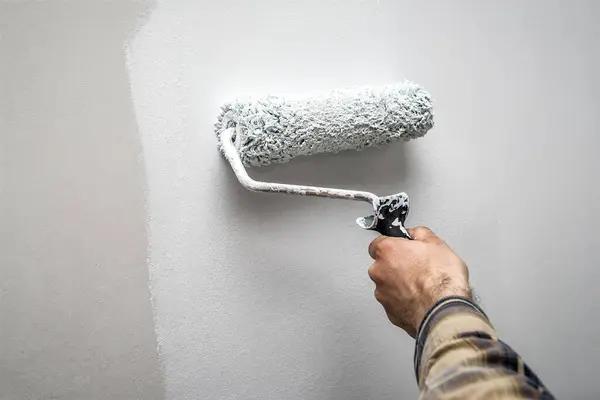
For those choosing the DIY route, invest time in learning proper techniques through online tutorials or workshops offered by home improvement stores. Proper application methods not only enhance finish quality but also prevent wastage of paint—thus keeping expenses down.
Another tip is purchasing slightly more paint than estimated needs; this accounts for potential touch-ups later on without requiring another full purchase which could disrupt both budget and timeline if stock runs out unexpectedly during initial stages.