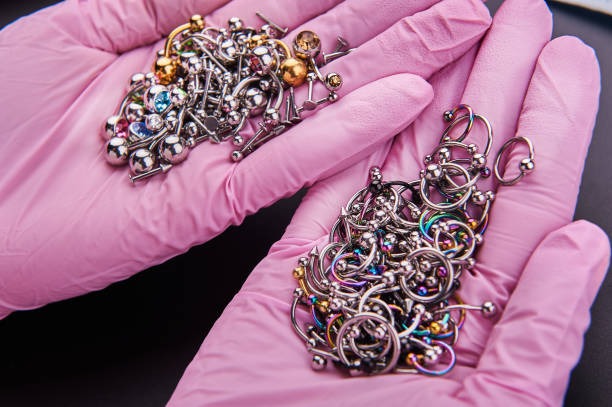
Piercing has long been a form of self-expression, with individuals choosing to adorn various parts of their bodies with jewelry. However, the rise in popularity of body piercings has also brought attention to the potential issues associated with low-quality jewelry materials. These problems can range from minor irritations to more severe health concerns, underscoring the importance of selecting high-quality materials for body piercings.
One common issue caused by low-quality piercing jewelry is allergic reactions. Many inexpensive pieces are made from metals such as nickel or brass, which can cause skin irritation and allergic responses in some individuals. Symptoms may include redness, itching, swelling, and even blistering around get the complete picture pierced area. Nickel allergies are particularly prevalent and can lead to chronic discomfort if not addressed promptly by switching to hypoallergenic alternatives like surgical stainless steel or titanium.
Infections are another significant concern when it comes to low-grade piercing materials. Poorly manufactured jewelry often harbors bacteria due to rough surfaces or improper finishing techniques. When inserted into a fresh piercing, these bacteria can easily enter the wound site and cause infections characterized by pus formation, increased pain, swelling, and warmth around the area. In severe cases, untreated infections may spread beyond the initial site and require medical intervention.
Low-quality jewelry is also prone to tarnishing and corrosion over time due to exposure to moisture and bodily fluids. This deterioration not only affects the aesthetic appeal of the piece but also poses health risks as corroded metal particles can become embedded in surrounding tissue during wear or removal processes—leading potentially harmful substances directly into one’s bloodstream through open wounds created during insertion procedures themselves!
Furthermore: structural integrity issues arise frequently among cheaper options available on today’s market; these include weak clasps that fail unexpectedly causing loss/damage risk factor increase exponentially alongside sharp edges capable inflicting cuts/abrasions both internally externally upon wearer’s skin surface respectively!