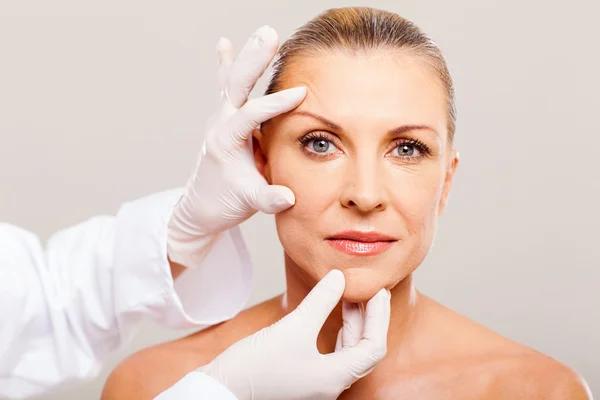
Plastic surgery clinics have become increasingly popular as more individuals seek to enhance their appearance or address medical concerns. However, beneath the surface of glossy advertisements and promising before-and-after photos lies a hidden truth that many people tend to overlook. One crucial aspect often ignored is the variability in qualifications and experience among practitioners working in these clinics. While some plastic surgeons undergo rigorous training and certification processes, others may operate with minimal credentials or limited practical expertise. This disparity can significantly impact patient safety and surgical outcomes.
Another frequently overlooked issue is the lack of transparency regarding risks and potential complications associated with procedures. Clinics often emphasize positive results while downplaying possible side effects such as infection, scarring, nerve damage, or dissatisfaction with aesthetic outcomes. Patients sometimes leave consultations without a full understanding of what recovery entails or how likely complications are based on their individual health profiles. Informed consent requires honest communication about both benefits and risks, yet this balance is not always maintained.
find out the truth commercial nature of many plastic surgery clinics also influences patient decisions in subtle ways. Aggressive marketing strategies capitalize on societal pressures related to beauty standards, encouraging impulsive choices rather than thoughtful consideration. Promotions offering discounted rates can lead individuals to prioritize cost over quality or safety measures. This focus on profit may result in shortcuts during preoperative assessments or postoperative care, further increasing risk factors.
Moreover, aftercare services are an essential but frequently neglected component of successful plastic surgery experiences. Some clinics provide comprehensive follow-up appointments to monitor healing progress and manage any emerging issues promptly; others offer minimal support once the procedure is completed. Insufficient aftercare can exacerbate complications or prolong recovery times unnecessarily.
Patients should also be aware that not all facilities adhere strictly to hygiene protocols required for invasive surgeries despite regulations designed to protect public health. Unsanitary environments elevate the chances of infections that could jeopardize both aesthetic results and overall well-being.
In summary, while plastic surgery clinics promise transformation and improved self-esteem, it is vital for prospective patients to conduct thorough research beyond surface-level appeal. Understanding practitioner credentials, realistic expectations about risks, genuine informed consent practices, commitment to proper aftercare, and facility cleanliness are key factors often overshadowed by marketing efforts but essential for safe outcomes. Recognizing these hidden truths empowers individuals to make more informed decisions aligned with their health priorities rather than succumbing solely to external pressures or enticing offers presented by some clinics within this growing industry sector.